A battery and a computer on wheels
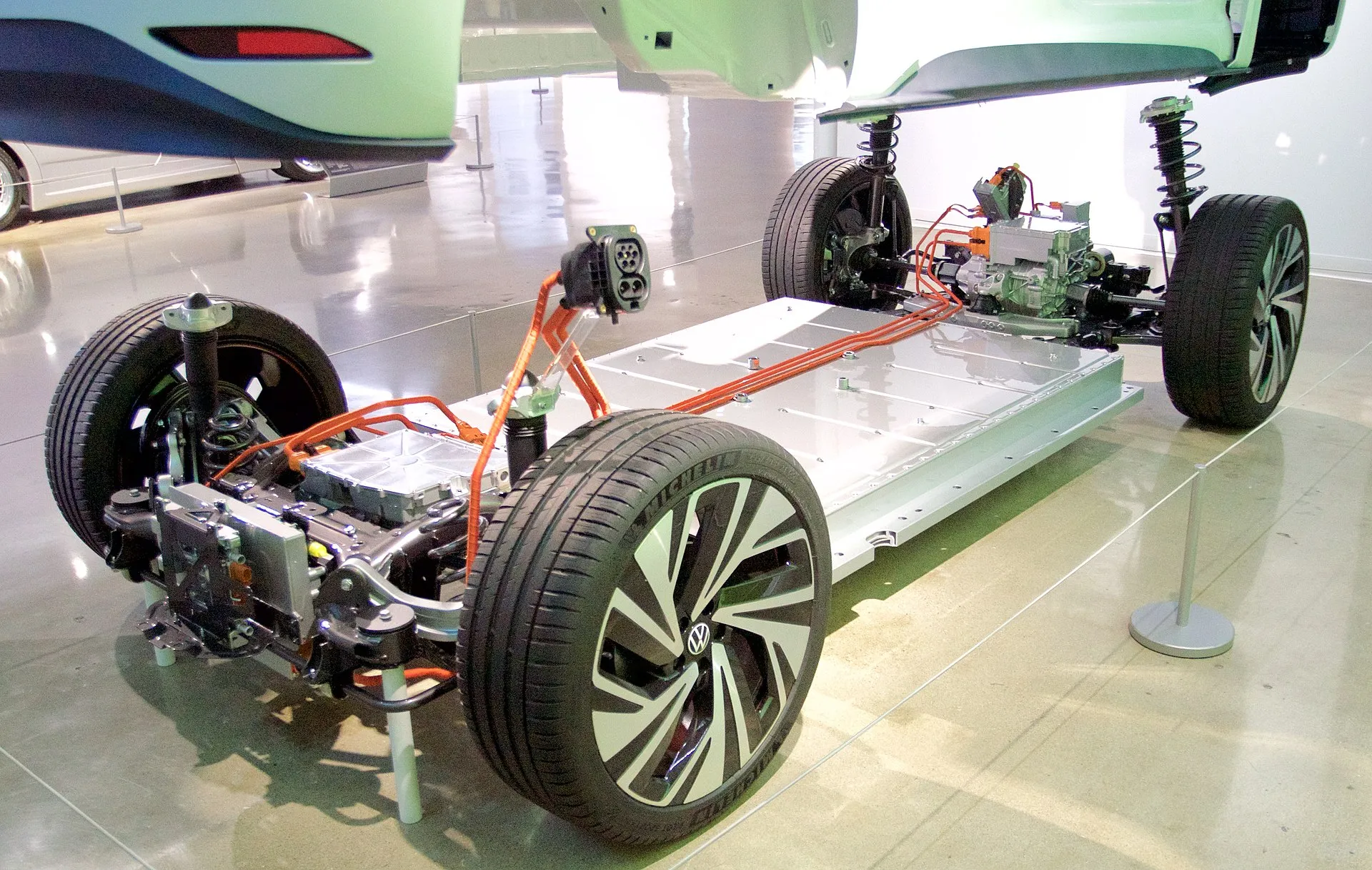
For years, electric cars have been described as batteries on wheels. That description is still true, but it is no longer complete. To drive safely and assist their drivers, modern cars carry a central computer built for artificial intelligence. A modern electric car is, in a nutshell, a large battery and a powerful computer.
Both are exactly what society and industry are short of right now.
The battery: storage the grid needs
Wind and solar power arrive when the weather allows, not when people need it. Storage bridges that gap. Europe's battery fleet is expected to grow almost fivefold, from 37 GW in 2025 to 178 GW in 2030. Every electric car that can charge smartly, or send power back to a home or the grid, can add to that flexibility.
This side of the story is already becoming real. Bidirectional charging, where the car can power the home in the evening or support the grid when it is under strain, is moving from pilots into everyday offers.
The computer: capacity that sits idle
The other half gets far less attention. A car's central computer is a serious piece of AI hardware. NVIDIA's DRIVE Orin, used in several current models, is rated at 254 trillion operations per second (INT8, with sparsity). Its successor, DRIVE Thor, reaches 1,000.
Cars are parked most of the time; a classic UK study put it at 96.5%. Many electric cars spend long stretches plugged in at home; in one Norwegian dataset, the average home charging session lasted about 12 hours. During those hours, the computer does nothing.
Meanwhile, the world's appetite for computing keeps growing. The IEA expects data centres to use about 945 TWh of electricity in 2030, more than Japan uses today.
The sun: the cheapest clean energy, right next to the car
The third ingredient is often on the roof. Many electric cars charge at homes, offices and depots with solar panels. Around midday these produce more than the building needs. In Germany, small rooftop systems earn about 7.7 cents per kWh for that surplus, while the average European household pays about 29 cents. Used on site, it is the cheapest and cleanest electricity there is.
Put the three together and something interesting appears: computing that comes with its own clean power and its own storage. That is precisely what large data centres find hard to build.
What this does not mean
It does not mean parked cars will replace data centres. A car's computer is designed for driving, has limited memory and network bandwidth, and must stop the moment its driver needs it. It suits work that can wait for the right hour: batch processing, data preparation and other jobs that are not urgent.
It does not mean the value per car is large. Today it is modest, and it depends heavily on how much power a parked car uses while its computer works. That figure still has to be measured on real vehicles.
And it does not mean anything can run on a car without its manufacturer. The vehicle's safety, cybersecurity and warranty are the carmaker's responsibility, so the carmaker has to stay in control.
The opportunity
What it does mean is this: the hardware is already built, already paid for, spread across cities, and often parked next to the cheapest clean energy available. Planned carefully, so that driving always comes first, followed by the home and the grid, a car's battery, its computer and the sun above it can work together.
That is the idea behind V2AI, vehicle-to-AI.